Daniels and Zemelman’s chapters on why textbooks are not
enough and the many alternative reading sources did not need to convince me. I
already had a less than great opinion of textbooks. I liked how they mentioned
how awful they are to read sometimes with all their sidebars, figures, and
asides. I hate all that clutter because it breaks up the flow of reading.
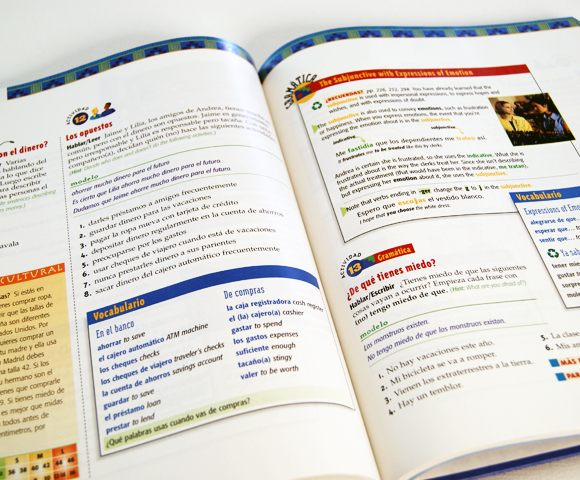 |
| A textbook structured like this is a nightmare to read. |
Their labeling of textbooks as a reference material also hit
home, because that is ideally the way I would like myself and my students to use them. Their other criticisms of textbooks as being authoritative and being made primarily to sell (not facilitate learning) were also things I was already aware and unhappy about. Unfortunately
there is the possibility of textbook use being imposed upon us in some
districts or states, leaving almost no flexibility in the curriculum. Being stuck
with only a textbook would make for some awfully boring reading for students.
 |
| I still have well over 100 issues of EGM in a closet for some reason. |
The only problem I have with all these options is time. How much of the readings should be done in-class? Just the hard readings? The majority? How much should be read as homework? Can I expect students to read a 300 page nonfiction book even if it is a good one? If they are willing, what is a reasonable amount of time to give them to read it? I have come to realize the importance of time when planning, and structuring a comprehensive unit aligning to all the standards through the use of supplementary readings seems impossible even though it would make for a better learning experience.

Nathan,
ReplyDeleteI like your questions regarding time and reading. More difficult readings should maybe be done in class, depending on where your students are regarding literacy. For example, a mainstream class vs. an AP class could have different requirements for reading, as I think they should. I know as a student in various levels of high school courses I hardly ever enjoyed reading a lengthy book on my own time. But, I think there are many great books out there that our students should read. If we break up the content and teach reading strategies D&Z have previously pointed out, our students may actually come to appreciate the assignment.
I also think that your question regarding the time for which should be reserved for reading is a valid question. Are you a person that believes in homework? This is a type of activity that I think should be done primary at home, but at the same time it probably would hurt to reserve 10 minutes at the end of class for the students to start their homework, although this may be difficult if the class periods are short (when I was in high school the periods were an hour and a half long). In order to incorporate this type of reading you will have to prepare ahead of time a bit, but that is never a bad thing. I think that the students should be given about a week to read a book so that they can read it at their own pace and fit in the reading between all the after school activities that we want them to be involved in. However, I am not sure about the classes that have students with lower reading levels, I would say give them more time to read it, but if they are given too much time, they might put it off and not read it at all because they forgot. I'm not really sure how that one should be handled. I hope this helps a little :)
ReplyDelete